
Loading...
Serving Walnut, CA and surrounding areas. (909) 546-5193
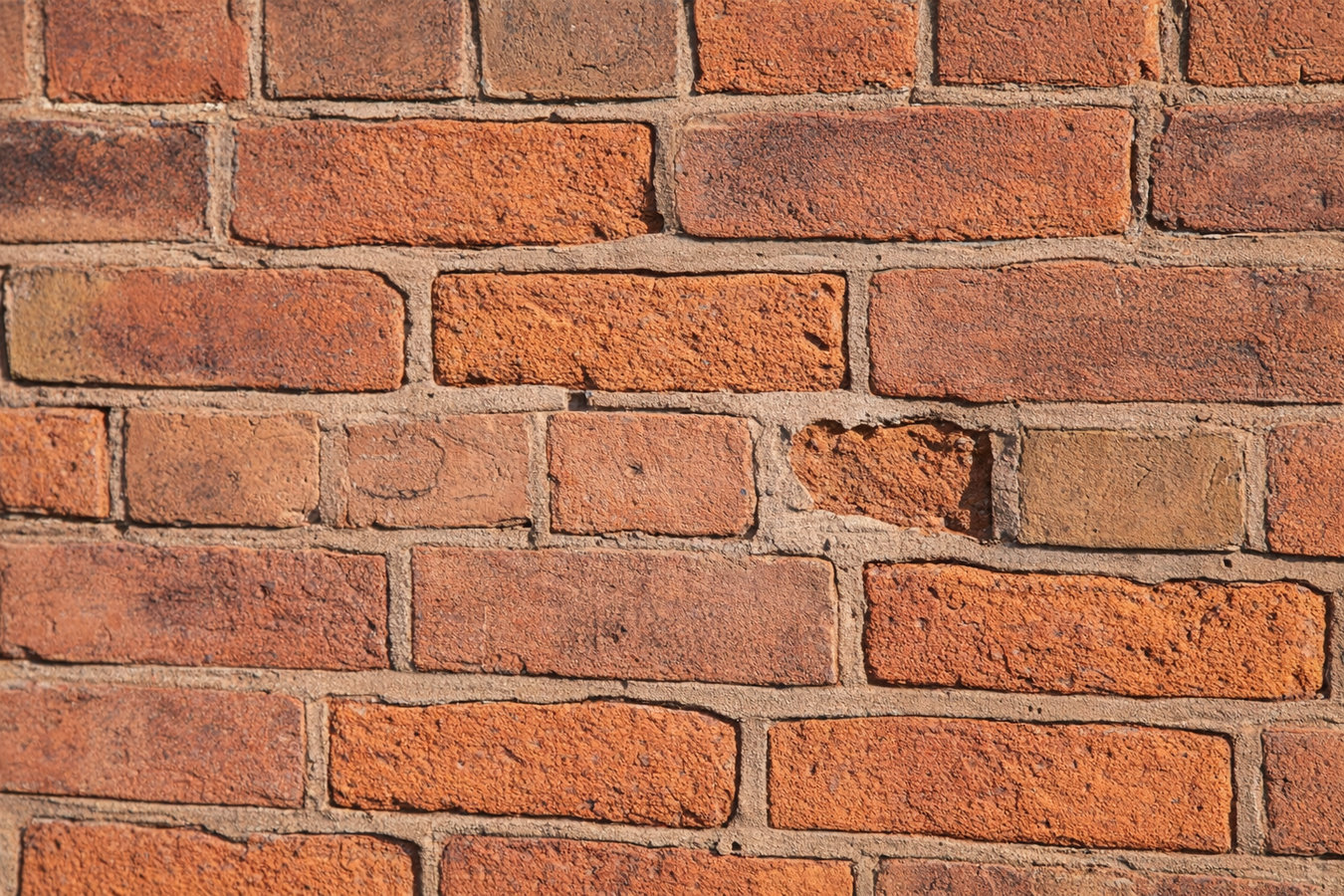
Crumbling mortar joints are one of the most common - and most overlooked - ways water gets into brick and block walls. We remove the old material and pack in fresh, color-matched mortar before the damage compounds.
Brick pointing - also called repointing or tuckpointing - is the process of removing deteriorated mortar between brick or block joints and packing in fresh material. In Walnut, most jobs on a single exterior wall or chimney take one day, while full-perimeter repointing on a larger home takes several days. Most mortar has a lifespan of 25 to 50 years, and much of Walnut's brick and block housing stock is now 40 to 60 years old.
Walnut homeowners usually call after noticing white staining on a wall, mortar that crumbles when touched, or cracks that appeared after a rainy season or earthquake. The San Gabriel Valley's seismic activity - even small tremors you never felt - gradually widens mortar joints over time. Walnut's wet-dry seasonal cycle accelerates that process once a crack opens. The repair itself is straightforward, but catching it before water has been getting in for years is what keeps the cost manageable. If you also have deteriorated mortar on an older chimney, it often makes sense to address tuckpointing on that structure in the same visit.
The work is done entirely from outside - no need to vacate, though you will hear grinding equipment during the day. Most crews lay drop cloths to protect landscaping and clean up at the end of each work session.
Run your finger along the mortar joints on your exterior walls. If the material crumbles, flakes off, or feels soft and sandy, it has broken down and is no longer doing its job. This is the clearest sign that repointing is overdue - and the earlier you catch it, the less of the wall will need attention.
After Walnut's winter rains, walk around your home and look at any brick or block walls. If you see new cracks in the mortar joints - especially ones that run along the joint lines rather than through the bricks themselves - water has likely gotten in and started the wet-dry expansion cycle. Catching these cracks in spring, before the next rainy season, is the smart move.
A chalky white residue on the face of your bricks is called efflorescence - mineral salt left behind when water moves through the wall and evaporates on the surface. It is a reliable sign that water is getting into the wall somewhere, often through failing mortar joints. The staining itself is not dangerous, but what is causing it usually is.
The San Gabriel Valley experiences small earthquakes regularly, and even a modest tremor can widen existing cracks in mortar joints. If you felt a shake and noticed new cracks or loose mortar afterward, that is worth having a mason look at. Open joints after seismic movement tend to get worse quickly once water starts getting in.
We repoint exterior walls, chimneys, retaining walls, garden walls, and any other brick or block masonry structure around your Walnut property. Every job starts with a close look at the existing mortar - its depth, condition, color, and joint profile - before we mix anything. Mortar that is too hard for the brick it is bonded to can cause the bricks to crack over time, so we match the new material to what was originally used rather than defaulting to a harder modern mix. Homeowners dealing with broader structural concerns often combine repointing with a foundation repair assessment so both issues are evaluated in a single visit.
For Walnut homes in HOA-governed communities, we review your HOA guidelines on mortar appearance before starting work. Many associations require that exterior repairs match the original mortar color, texture, and joint profile - and we take a test patch approach on color-sensitive jobs so you can approve the match before we work across the full wall.
For brick or block exterior walls where mortar has crumbled, cracked, or pulled away from the brick face, leaving the wall vulnerable to water.
Best for chimneys where mortar joints have eroded from years of heat cycling and weather exposure, which is a common condition on Walnut homes built in the 1970s and 1980s.
Suited for freestanding walls where mortar failure is allowing water to penetrate, weakening the bond between stones or bricks from the inside.
For homeowners who caught the problem early - targeted repairs to the sections that need attention now, with a realistic assessment of what will need work in the coming years.
A large share of Walnut's brick and block homes were built between the 1960s and 1980s, which means original mortar is now at or past its typical service life of 25 to 50 years. The Puente Hills fault and surrounding active fault systems in the San Gabriel Valley put additional stress on mortar joints over time - small ground movements that residents never notice gradually open hairline cracks that then let in water. Walnut's seasonal pattern of heavy winter rain followed by long dry summers cycles water in and out of those cracks, widening them each year. Homeowners in nearby Rowland Heights, CA and Hacienda Heights, CA see the same pattern, and we serve both communities.
Timing the work around Walnut's rainy season is straightforward but easy to overlook. Fresh mortar needs at least 48 hours without rain to cure properly, and scheduling in late spring or early fall - after the rains have passed and before summer heat peaks - gives the best conditions. Mortar applied during a heat wave can dry too fast and crack before it bonds. The Brick Industry Association, a leading technical authority on brick construction, recommends the same seasonal scheduling for repair work in Southern California climates. Learn more about proper repointing standards at gobrick.com.
Reach out by phone or through the contact form and describe what you are seeing - crumbling mortar, staining, or post-earthquake cracking. We reply within one business day and set up a time to come out and look at the wall in person.
The mason walks the wall with you, checks joint depth and mortar condition, examines brick faces for staining or spalling, and identifies whether the color and texture of the existing mortar can be matched. You get a written estimate before any work is scheduled.
The crew grinds or chisels out damaged mortar to at least three-quarters of an inch deep, cleans the joints, then packs in fresh mortar mixed to match your wall. The surface is tooled to the original joint profile and brick faces are cleaned of any excess before the crew leaves.
Fresh mortar needs 48 hours dry and up to 28 days to reach full strength. We give you written care instructions so there is no guesswork. In Walnut's warm climate the mortar firms up quickly, but keeping the wall dry for the first two days is important.
No obligation. We visit your property, walk the wall with you, and give you a written quote. We reply within one business day.
(909) 546-5193We examine your existing mortar - its color, texture, and joint profile - before mixing anything. New mortar that does not match stands out on the finished wall. On older Walnut homes where the original mortar has faded and weathered, we test a small patch first so you can see the result before work begins.
Repointing that goes in less than three-quarters of an inch deep will not bond properly and will fail within a few years. We grind to the correct depth on every joint - not a thin skim coat over the old material - and we document the process so you know what was actually done.
Many HOA communities in Walnut require that exterior repairs maintain the same appearance as the original mortar - matching color, texture, and joint style. We understand those requirements and match the profile before work begins. You will not receive a correction notice requiring a redo at your expense.
Any contractor doing masonry work in California must hold a valid state license. You can verify our license status and check for any complaints on the California Contractors State License Board website in about two minutes. We encourage every homeowner to do that check - for us and for anyone else you are considering. See the CSLB at cslb.ca.gov.
Walnut homeowners who invest in their properties want work that holds up - not a quick cosmetic fix that needs redoing in three years. Proper joint depth, correct mortar hardness, color matching, and HOA compliance are the details that separate repointing that lasts 25 years from work that fails at the first rainy season.
Mortar failure in walls near the foundation can signal or accelerate underlying movement - we assess both issues during the same visit.
Learn MoreTuckpointing uses a two-color mortar technique to restore the crisp appearance of older brick joints while sealing them against moisture.
Learn MoreLate spring and early fall are the best windows for repointing work - call or send an estimate request today to lock in your spot.