
Loading...
Serving Walnut, CA and surrounding areas. (909) 546-5193
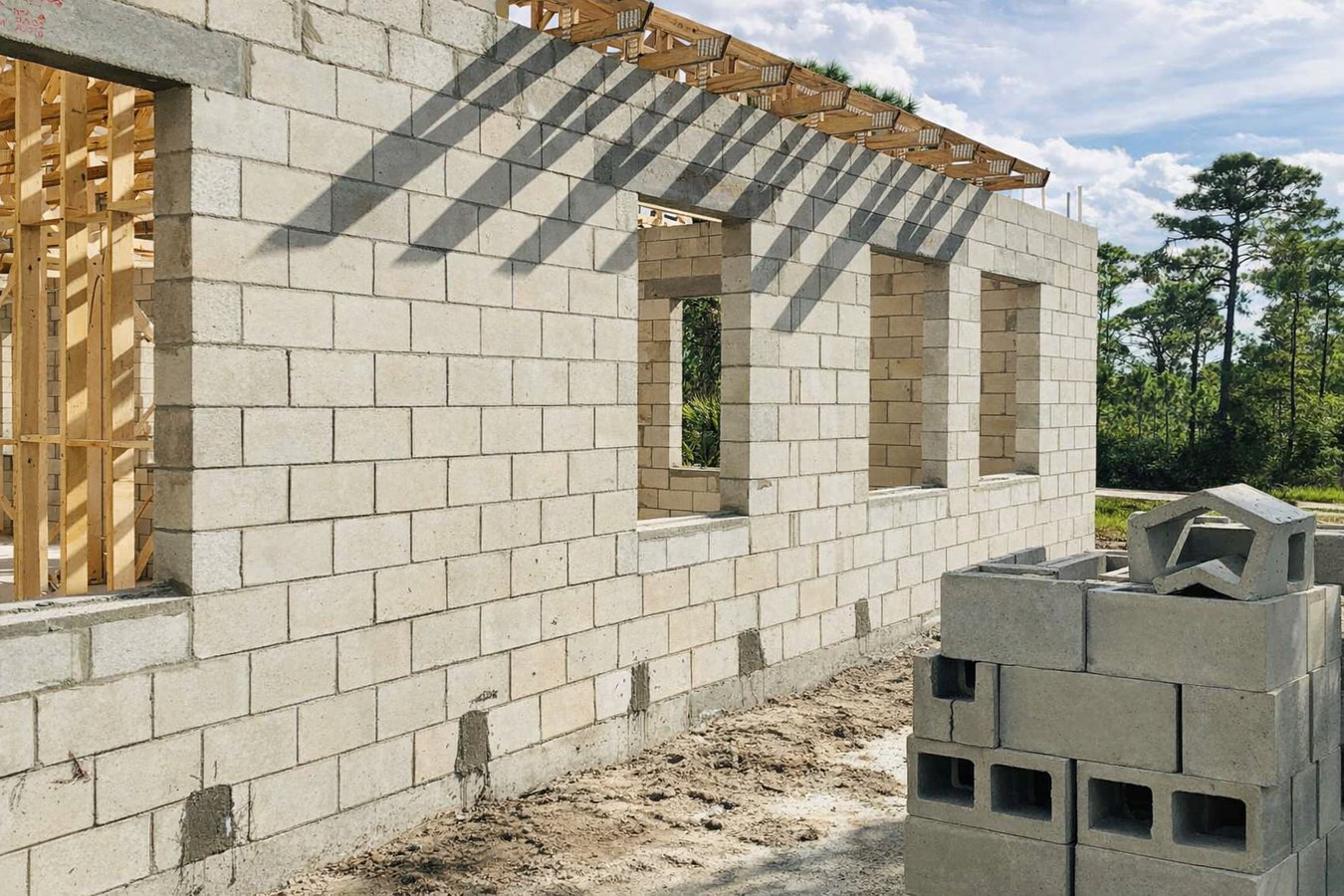
Walnut's clay soils and sloped lots put real stress on block walls. We build them reinforced, drained, and permitted through LA County - so they last.
Foundation block wall installation in Walnut involves building a structural wall from reinforced concrete masonry units, mortared together and filled with steel and grout, most projects take three to seven days for a typical residential retaining wall or garage foundation.
Most Walnut homeowners reach this point because an old wall is leaning, because they are adding an ADU, or because a sloped lot simply needs a new retaining structure. The clay soils throughout the Pomona Valley make drainage and base preparation more demanding than in flatter, sandier parts of Southern California. If your project also touches an existing foundation, our foundation repair service covers assessment and structural corrections before new block work begins.
Los Angeles County - which handles Walnut's building permits - requires a permit for virtually any structural masonry wall. We pull that permit, coordinate the inspection, and close it out so the work is on record.
If a wall along your property line is no longer straight - it curves or tilts away from the soil it holds back - that is a sign it is losing the battle against soil pressure. In Walnut's clay-heavy soils, this happens gradually over years as the soil expands and contracts with seasonal moisture changes. A leaning wall will not fix itself and can fail suddenly.
Vertical cracks in a block wall are sometimes minor settling issues, but horizontal cracks running across multiple blocks in a line suggest the wall is under stress it was not designed to handle. Given Walnut's seismic activity and expansive soils, horizontal cracking signals that the wall's internal structure may be compromised. A masonry contractor can tell you whether repair or replacement is the right call.
If water collects at the base of your home's foundation after a rainstorm, or if the soil around your foundation stays wet long after rain stops, the drainage may not be doing its job. Over time, that moisture weakens mortar joints and accelerates soil movement. This is especially common on Walnut's hillside lots where water naturally runs downhill toward structures.
If you are adding a room, garage, or accessory dwelling unit, a new foundation block wall is almost certainly part of the project. California's ADU rules have made it easier to build these structures, but the foundation work still needs to be done properly and permitted. Getting a masonry contractor involved early helps you understand what the foundation will cost before you finalize your budget.
Our foundation block wall work covers new retaining walls, foundation walls for additions and ADUs, and replacement of failed or undersized existing walls. Every project includes proper steel reinforcement inside the block cores - the step that makes a wall capable of handling both Walnut's clay soil pressure and Southern California's seismic loads. We design drainage into each wall from the start, not as an afterthought, because drainage failure is the single biggest reason block walls in this area deteriorate ahead of schedule.
For homeowners adding outdoor living space, we frequently combine block wall projects with outdoor kitchen masonry - building the structural base and the finished outdoor kitchen in a single coordinated scope. We also handle the LA County permit process on every structural project, which includes submitting plans, coordinating the plan check, and scheduling the required inspections.
Suits hillside lots and properties with grade changes where soil needs to be held back.
Suits homeowners adding living space and needing a properly permitted structural base.
Suits properties with clay soil or water-pooling history where drainage design is essential.
Suits existing walls that are leaning, cracked horizontally, or no longer structurally sound.
Walnut sits in the eastern San Gabriel Valley on expansive clay soils that swell when wet and shrink when dry. That seasonal movement is the primary reason retaining walls and foundation walls in this area fail ahead of schedule - the soil shifts, drainage backs up, and walls that were never built with those conditions in mind start to lean or crack. Many of Walnut's residential neighborhoods were developed between the 1970s and 1990s, which means a significant number of existing block walls are now 30 to 50 years old and were built to standards that predate current seismic reinforcement requirements. The Puente Hills fault and other nearby fault systems mean every structural wall here needs more steel inside than a comparable wall in a lower-risk part of the country.
We serve homeowners across the full Walnut service area, including families in Diamond Bar, CA and Rowland Heights, CA. Contractors who work regularly in this part of LA County understand the permit timeline, the soil conditions, and the hillside lot challenges that make these projects more demanding than flat-lot work elsewhere. For a well-known external reference on the standards that govern masonry in seismic zones, the Concrete Masonry Association of California and Nevada publishes current guidance on California-specific construction practices.
We ask a few basic questions - wall length, lot slope, whether there is an existing wall - then schedule a free on-site visit. Pricing depends heavily on what we see in person, so we never quote a number before looking at the site.
After the visit you receive a written estimate that itemizes labor, materials, drainage components, and permit fees. We pull the LA County permit on your behalf - you should never have to navigate that process yourself. Plan check on structural projects typically runs two to four weeks.
The crew excavates, sets the gravel base, and lays the blocks in courses from the bottom up, checking level at each row. Steel rods are placed inside the cores and filled with concrete grout - this is the reinforcement that makes the wall seismically sound.
Once the wall is up, we install drainage behind it - gravel, pipe, or weep holes - before backfill. A county inspector visits to confirm the work meets code, then we clean up the site. Avoid loading the wall heavily for the first 28 days while the mortar cures fully.
We reply within one business day. No obligation - just honest information about what your site needs and what it will cost.
(909) 546-5193Every wall we build accounts for the clay soil movement specific to this part of the San Gabriel Valley. We design drainage in from the start - gravel backfill, weep holes, or perforated pipe - because drainage failure is the reason most block walls in this area fail ahead of schedule.
Walnut's structural permits run through LA County's Department of Public Works, not a city hall. We know this process, prepare the application correctly the first time, and coordinate with the county inspector so the permit closes out cleanly. You do not have to track it down.
Walnut sits near the Puente Hills fault system and other active faults. Every wall we build includes steel rods in the block cores filled with concrete grout - the internal reinforcement that lets a block wall flex rather than crumble during ground movement. We show you the steel before we fill the cores.
Unpermitted or poorly built masonry creates real problems when you sell your home or file an insurance claim. The work we do is permitted, inspected, and documented through the county - so when the time comes to sell, there is nothing to disclose or tear out. The{' '}International Masonry Institute publishes standards for structural masonry that reflect what proper workmanship requires.
Walnut homeowners who stay long-term take their properties seriously, and we bring that same mindset to every job. When the work is permitted, reinforced, and drained correctly, it lasts - and that is the standard we hold ourselves to on every project.
Permanently built outdoor kitchens using masonry that holds up to Walnut's sun, seismic activity, and HOA review process.
Learn MoreStructural repairs for shifting or cracked foundations on Walnut's clay soils and hillside lots.
Learn MorePermit timelines through LA County run two to four weeks - the sooner you reach out, the sooner work can begin. Call or send a message today for a free on-site estimate.