
Loading...
Serving Walnut, CA and surrounding areas. (909) 546-5193
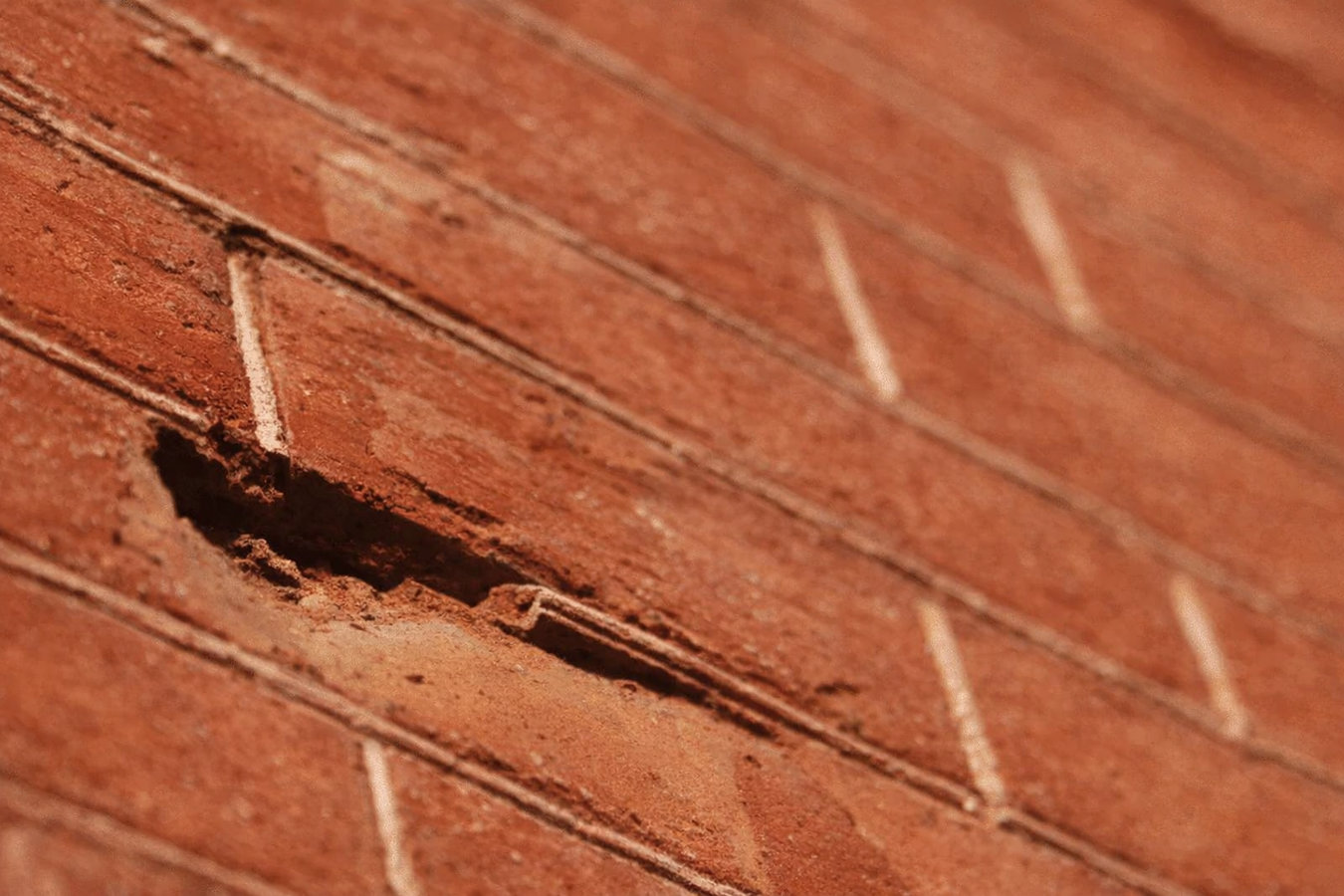
Cracks, shifting floors, and sticking doors are signs your foundation needs attention. We find the cause, fix it properly, and handle the permits so you can stop worrying.
Foundation repair in Walnut, CA addresses the underlying cause of a shifting or cracking foundation - not just the visible damage - and most residential jobs are completed in one to three days on-site.
If you live in Walnut, the most common culprit is the expansive clay soil beneath your home. It swells during the winter rainy season and shrinks back during the dry summer months, and that cycle puts steady pressure on your foundation year after year. Many Walnut homes were built between the 1960s and 1980s, so foundations in this area are now 40 to 60 years old and have been through a lot of those seasonal swings. The goal of a proper repair is to stabilize the foundation so it stops moving, seal the damage that already opened up, and address any drainage issues that are feeding the problem. If your home also needs structural work around its perimeter, our foundation block wall installation service covers that piece of the project.
If a door that used to swing freely now drags on the floor or refuses to latch, your home's frame may have shifted. In Walnut, this often happens gradually over several years as the clay soil beneath the foundation expands and contracts with the seasons. It is easy to dismiss as a minor annoyance, but it is one of the clearest early signs that your foundation is moving.
Diagonal cracks running from the corners of windows or doors, or stair-step cracks along a brick or block wall, are worth taking seriously. In homes built in the 1960s through 1980s - a large share of Walnut's housing stock - these cracks often indicate the original foundation is responding to decades of soil movement beneath it. A crack that is growing wider over time is more urgent than one that has stayed the same size.
If your floors slope toward one side of a room, or if certain spots feel soft or springy underfoot, the structure beneath may have shifted. This is especially common in Walnut homes with raised foundations, where the crawl space can be affected by soil movement or moisture over time. Do not assume it is just the house settling.
A gap opening up where your wall meets the ceiling, or where a baseboard is pulling away from the floor, means the structure is moving in ways it should not. These gaps are often most visible in corners and along long interior walls. If you see them in more than one room, that pattern points to a foundation issue rather than normal settling.
Every foundation job starts with a thorough on-site assessment. The repair method depends on what is actually causing the movement. The two most common approaches are piering - which drives steel or concrete supports deep into stable soil beneath your home - and slab lifting, which raises a sunken slab back into position. Neither method requires tearing out your entire foundation. For homes where cracks are present without significant settling, epoxy injection and surface repair stop water intrusion and restore the structure's integrity. We also address grading and drainage corrections, because a repair that ignores water management often fails a second time.
If your home has a chimney showing mortar or brick deterioration alongside foundation concerns, our chimney repair service can be scoped together so you are not calling two separate contractors. Every completed foundation repair includes a written estimate upfront, Los Angeles County permit handling, and full documentation at the close of the job.
Best for homes with significant settlement, where stable soil needs to be reached deeper than the existing foundation extends.
Suited for concrete slabs that have sunk or tilted, restoring a level surface without full replacement.
Addresses existing cracks with epoxy injection or surface patching, stopping water intrusion and halting further deterioration.
For homes where water pooling near the foundation is contributing to soil movement and recurring damage.
Walnut sits in the eastern San Gabriel Valley, where the underlying soils contain a high percentage of expansive clay. These soils absorb water and swell during the rainy season, then dry out and shrink through the long summer months - a cycle that gradually pushes and pulls on your foundation year after year. Most of Walnut's housing stock was built between the 1960s and 1980s, which means many foundations here are now at the age when that cumulative stress starts to show. California building standards require that structural repairs meet current seismic safety requirements, which affects both the methods a contractor can use and the permit process. Catching problems early is far less expensive than waiting until the damage is obvious. Homeowners in Diamond Bar, CA and Rowland Heights, CA face the same soil and seismic conditions, and we serve both areas regularly.
Southern California's dry season - roughly May through October - is generally the best time to schedule foundation repair. Soil is more stable and predictable when it has not recently been saturated by rain, which makes it easier to assess conditions accurately and complete work without weather delays. Scheduling in late spring or early summer also gives you time to address any drainage improvements before the next rainy season begins. If you are seeing warning signs right now, do not put it off - the longer a foundation issue goes unaddressed, the more expensive the eventual repair tends to be.
When you reach out, we ask a few basic questions - how old your home is, what you have noticed, and whether the problem seems to be getting worse. We schedule an on-site inspection, typically within a few days. We respond within 1 business day.
We walk the interior and exterior of your home, checking floor levels, examining cracks, and assessing the soil and drainage around your foundation. We explain what we find in plain terms and outline our recommendation before you make any decision.
We follow up with a written estimate covering exactly what will be done, how long it will take, and what it will cost. Because most structural repairs in Walnut require a Los Angeles County building permit, we handle the application and coordinate the county inspection.
Most residential foundation repairs take one to three days on-site. After the county inspector signs off, we walk you through the completed work and hand you all documentation - permit sign-off, warranty, and care instructions. Keep these for your records.
We inspect your foundation, explain what we find in plain terms, and give you a written estimate - no obligation, no hard sell. Most foundation issues are more straightforward than homeowners expect.
(909) 546-5193Walnut is unincorporated Los Angeles County, so foundation permits go through the county - not a city building department. We pull the permit, coordinate the county inspector's visit, and make sure everything is signed off before we call the job done. You never have to wonder whether the work was officially approved.
The expansive clay soils of the eastern San Gabriel Valley behave differently from soils in other parts of Southern California. We assess drainage and soil conditions as part of every foundation evaluation, because a repair that ignores what caused the movement is only a temporary fix. The California Geological Survey documents these soil hazards at conservation.ca.gov/cgs.
Every foundation repair we complete comes with a written warranty you can transfer to a future buyer. That documentation protects your investment and keeps your home competitive in Walnut's real estate market, where buyers and lenders look closely at foundation history.
We have worked on homes throughout Walnut and the surrounding communities since 2019. Local experience means we know the housing stock, the county permit office, and the specific soil conditions in this area - not just regional patterns that may not apply to your street.
Together, these qualities mean you get a repair that is done right, documented properly, and built to hold up through Walnut's seasonal soil conditions - not just a quick fix that passes the problem to the next owner.
For more on California building requirements, visit the California Department of Housing and Community Development. For soil hazard information specific to the San Gabriel Valley, see the California Geological Survey - Expansive Soils. To verify a contractor's license, use the California Contractors State License Board.
Crumbling mortar, cracked crowns, and water stains near your fireplace are signs your chimney needs professional attention before the next fire season.
Learn MoreStructural block walls that support your foundation perimeter, built to current Los Angeles County code with proper reinforcement for this seismic zone.
Learn MoreWalnut's dry season is the ideal window for foundation work - schedule now to lock in your spot before the fall rush and get your home ready before the rains return.