
Loading...
Serving Walnut, CA and surrounding areas. (909) 546-5193
Walnut Masonry is a locally owned masonry contractor serving Covina, CA with driveway paver installation, concrete block walls, walkway construction, and tuckpointing. We work on homes throughout Covina regularly and understand the aging postwar housing stock, clay soil conditions, and tree root issues that drive most of the masonry work in this city.
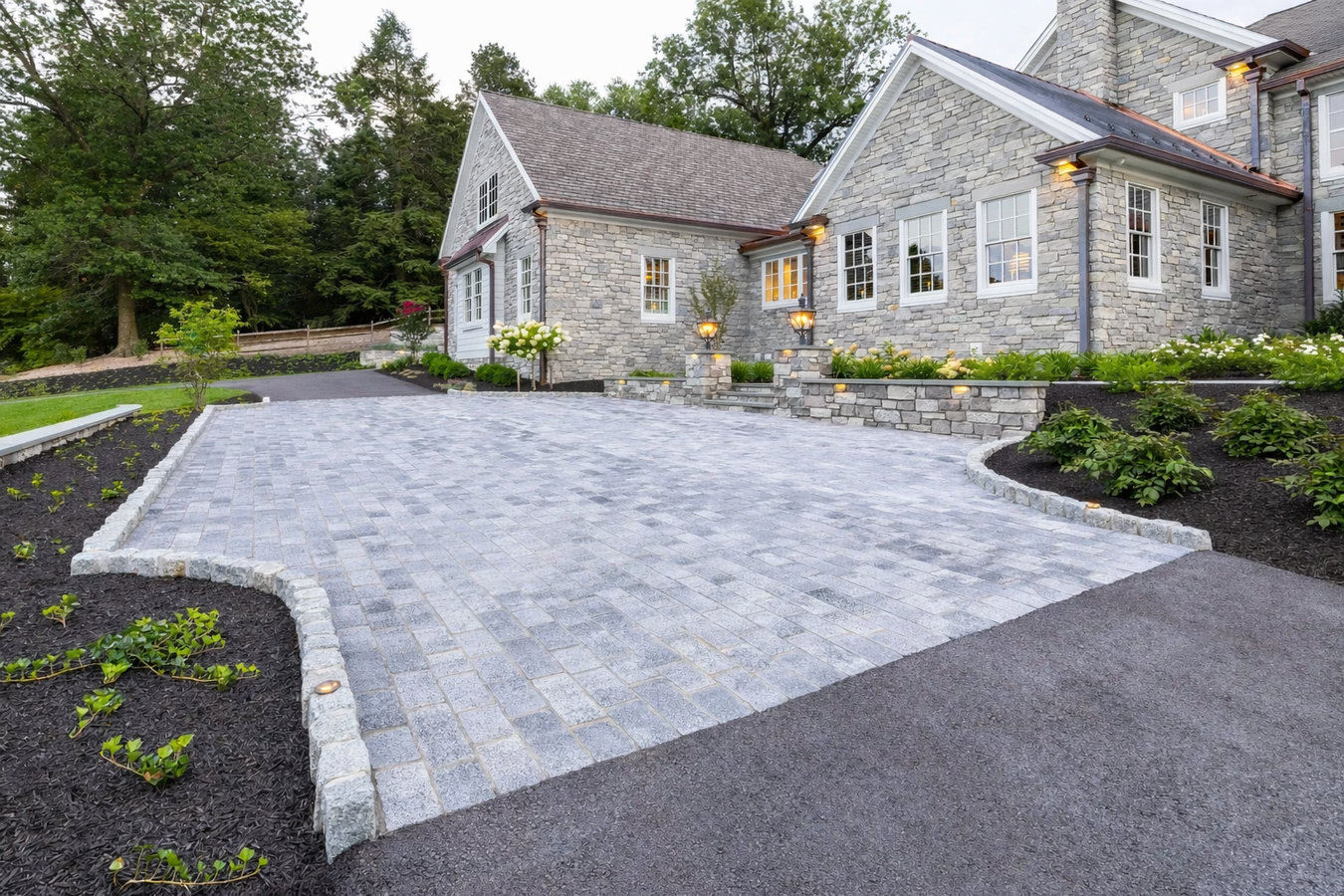
Covina is full of ranch homes built in the 1950s and 1960s with concrete driveways that are now 60 to 70 years old, cracked from clay soil movement, and past the point where patching makes financial sense. Our driveway paver service replaces those worn surfaces with properly installed pavers that handle soil movement better than a solid slab - individual units can be reset if the ground shifts without tearing out the whole driveway.
Front walkways and side-yard paths on older Covina homes are frequently heaved and cracked from decades of tree root intrusion and clay soil movement. In neighborhoods with large, mature trees - common on streets that were developed when Covina was transitioning from citrus groves - roots can push up a concrete walkway dramatically in just a few years after it is poured.
Block walls built in the 1950s and 1960s are a standard boundary feature on Covina lots, and many are now showing crumbling mortar joints, leaning sections, and bases that have shifted in the clay soil. Walls that have reached this state cannot be patched back to structural condition - full replacement is often the only safe option.
Covina summers push into the mid-90s regularly, and the heat combined with the valley's low humidity dries mortar joints on block fences and chimney stacks faster than in coastal cities. Repointing those joints before they fail keeps water out of the masonry and prevents the more expensive repairs that follow water intrusion into a block wall or chimney.
Covina is primarily flat, but many residential lots still have low retaining walls managing yard grading and keeping soil away from foundation edges. The expansive clay soil here applies seasonal pressure on even modest walls, and walls from the postwar era that were built without proper drainage or deep footings often fail quietly over decades until a section gives way.
Brick chimneys on 1950s and 1960s Covina homes have mortar that has been cycling through hot summers and occasional winter frost for 60 or more years. Freeze-thaw cycles - uncommon in coastal Southern California but a real factor in the inland San Gabriel Valley - crack mortar joints over time and allow water to work into the chimney stack.
Covina sits in the eastern San Gabriel Valley on expansive clay soil that swells in the wet season and contracts in the dry. That seasonal movement is the single biggest driver of masonry damage in this city. Most Covina homes were built between 1940 and 1975, and the concrete flatwork, block walls, and mortar joints that came with those homes have been absorbing the effects of that soil movement for five to seven decades. The 10 Freeway along the southern edge of the city and the 210 Freeway nearby make Covina accessible, but the housing stock itself is mature, and the maintenance needs that come with mature housing are real. Covina also has occasional overnight frost in winter - the inland location means temperatures dip lower than coastal cities, and freeze-thaw cycles crack concrete and mortar that has already been weakened by soil movement.
Mature trees are another factor that sets Covina apart from newer communities. The city grew from a citrus-farming background, and many older residential streets have large trees that were planted 50 or more years ago. Those roots have had decades to work their way under concrete driveways, walkways, and even the bases of block walls. A masonry contractor working in Covina needs to account for root intrusion when repairing or replacing flatwork - simply patching over a heaved section without addressing the root will produce the same problem again within a few years. Roughly 55 percent of Covina residents own their homes, which means there is steady demand from people who have a long-term stake in keeping their properties in good condition.
Our crew works throughout Covina regularly, and we understand the local conditions that affect masonry work here. Structural permits in Covina are handled through the City of Covina Community Development Department. We pull permits from that office for jobs that require them and are familiar with the local review process so projects do not stall waiting on paperwork.
Covina runs roughly from the 10 Freeway on the south to the foothills near the 210 on the north. The historic downtown along Citrus Avenue is a reference point most long-time residents know well, and the streets spreading out from downtown toward West Covina and Glendora are the heart of the city's single-family residential neighborhoods. Ranch-style homes on lots with original concrete driveways, attached garages, and block fences are the standard here, and that is exactly the kind of property our crew knows well.
We also regularly serve the neighboring communities. Our work in Glendora to the north keeps us familiar with the foothill end of the San Gabriel Valley, and we work frequently in West Covina to the west. If you have neighbors who need masonry work done at the same time, we can often schedule nearby jobs together.
Reach us by phone or through the contact form and describe what you are seeing - cracked driveway, leaning block wall, heaved walkway. We respond within one business day and schedule a free on-site visit at a time that works around your schedule.
We visit your Covina property, assess the soil conditions and root situation, and give you a written estimate with scope, materials, and a clear price. If a City of Covina permit is required, we explain that upfront and include the permit process in your project schedule so there are no surprises later.
Once you approve the estimate we schedule the work and handle all material procurement. For driveway and walkway jobs, we plan carefully around your vehicle access and give you a clear timeline for when surfaces will be ready to use again. You do not need to be home for most of the work.
We walk through the completed work with you, explain any curing or sealing steps, and remove all debris from your property. If the job required a City of Covina inspection, we coordinate that through our office - you do not need to deal with the city separately.
We serve Covina and the surrounding San Gabriel Valley communities. No pressure, no obligation - just an honest look at what your property needs and what it will cost.
(909) 546-5193Covina is a city of roughly 48,000 residents in the eastern San Gabriel Valley, about 22 miles east of downtown Los Angeles. The city grew quickly after World War II as part of the suburban expansion that filled the valley, and most of its housing was built between the 1940s and 1970s. The typical Covina property is a single-story ranch house on its own lot, with an attached garage, a concrete driveway, and a block fence along the rear and side property lines. Those homes are now 50 to 80 years old, and the concrete flatwork and masonry that came with them reflect that age in the form of cracked driveways, heaved walkways, and mortar joints that have been drying out since the Eisenhower administration. The city name is said to derive from the word "cove," referring to the sheltered valley that made the area productive for citrus growing before the postwar development arrived - a history still visible in the large, mature trees on many older residential streets near Downtown Covina.
Covina is bordered by West Covina to the west, Glendora to the north, and Azusa and Baldwin Park to the east and north. The 10 Freeway along the southern edge is the main artery most commuters use, and the neighborhoods on both sides of it share the same postwar housing stock and masonry maintenance profile. About 55 percent of residents own their homes, which means the city has a strong base of homeowners with a long-term interest in keeping their properties in good shape. Nearby communities we also serve include Glendora to the north and West Covina to the west, both of which have similar housing stock and the same clay soil conditions that make masonry maintenance a recurring need.
Restore your foundation's structural integrity and protect your home long-term.
Learn MoreKeep your chimney safe, functional, and weather-tight year-round.
Learn MoreRenew deteriorated mortar joints to extend the life of your masonry.
Learn MoreReplace cracked or spalling bricks and restore your wall's strength.
Learn MoreInstall durable, attractive pavers that improve curb appeal instantly.
Learn MoreBuild strong retaining walls that hold soil and manage slope erosion.
Learn MoreBring aging stonework and brickwork back to its original condition.
Learn MoreAdd a beautiful, fully functional masonry fireplace to your home.
Learn MoreTransform exterior or interior surfaces with natural or manufactured stone.
Learn MoreConstruct solid, low-maintenance concrete block walls for any property.
Learn MoreSet a reliable block wall foundation that supports your structure for decades.
Learn MoreCreate a durable outdoor kitchen that handles heat and weather beautifully.
Learn MoreDesign and build safe, attractive walkways using quality masonry materials.
Learn MoreInstall classic brick walls that add character and lasting value.
Learn MoreCraft custom stonework that combines natural beauty with structural strength.
Learn MoreRepoint worn mortar to stop water infiltration and preserve your brickwork.
Learn MoreCall Walnut Masonry today for a free on-site estimate - we know the Covina housing stock, the clay soil conditions, and the city permit process, and we can usually get to you within a few days.