
Loading...
Serving Walnut, CA and surrounding areas. (909) 546-5193
Walnut's clay soils, hillside lots, and seismic zone require stonework that starts with the right base - not just a nice surface on top.
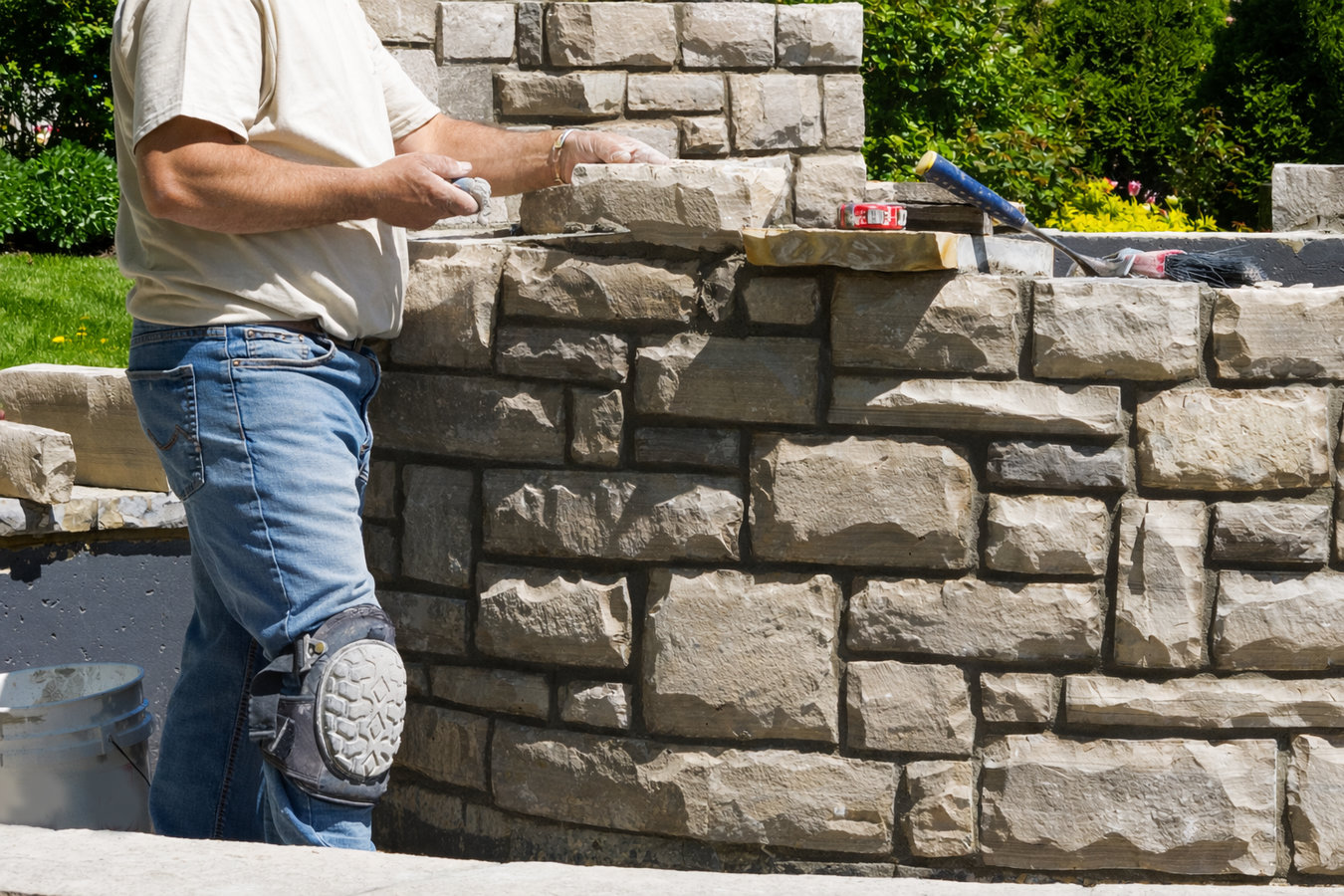
Stone masonry in Walnut means cutting and setting natural or manufactured stone using mortar to build walls, steps, patios, and retaining structures. Most residential projects take one day to one or two weeks of active work, depending on size, plus time for permitting and mortar curing before the surface reaches full strength.
Walnut homeowners come to us for stone work for a few common reasons. Hillside lots need retaining walls that can handle soil load and seasonal moisture. Older stone walls develop crumbling mortar joints that let water in, which leads to shifting and eventual failure. And homeowners upgrading patios or front entries want a surface that holds up to Walnut's summer heat and occasional heavy winter rain without the maintenance that wood or composite materials demand. If you also have a brick pointing need on an adjacent structure, combining the jobs in one visit keeps mobilization costs down and material matching straightforward.
The biggest factor separating stone masonry that lasts from work that fails early is what happens before the first stone is set - the base. On Walnut's clay-heavy soil, skipping adequate excavation and drainage preparation is the most common reason a patio shifts or a wall starts to lean within a few years.
If a stone or block retaining wall on your property is tilting forward, developing visible cracks, or showing mortar that crumbles out from between stones, those are signs the wall is losing its structural integrity. In Walnut, where clay soils expand and contract each season, this kind of movement is common in walls that were not built with adequate drainage behind them. A leaning retaining wall is not just an eyesore - it can fail suddenly and cause serious damage to anything below it.
If you notice water sitting against your foundation or running toward your house after rain, the grading around your home may be directing water the wrong way. Stone masonry - a graded patio, a drainage swale, or a low retaining wall - can redirect that water away from your foundation before it causes rot, mold, or structural damage. This is especially relevant in Walnut, where winter rains can be heavy and clay soils slow drainage significantly.
If individual stones on your patio or steps have started to rock, sink, or sit at different heights than they used to, the base underneath has likely shifted. This is a tripping hazard, and it tends to get worse over time rather than better. In Walnut's climate, the combination of summer heat and occasional heavy winter rain accelerates this kind of base erosion.
Run your finger along the joints between stones on any older wall on your property. If the mortar feels soft, crumbles easily, or is missing in sections, the wall needs repointing. Left untreated, hollow joints let water in, which speeds up deterioration and can eventually destabilize the wall.
We build and repair stone structures throughout Walnut and the surrounding San Gabriel Valley - retaining walls, patios, steps, garden features, and exterior wall cladding. Every project begins with a drainage and base conversation, because what goes under the stone determines how long the surface stays level and intact on Walnut's clay soil. Homeowners who also need stone veneer installation on a home exterior can often coordinate both scopes into a single visit so material selection is consistent and base preparation is shared.
For projects on hillside lots - a common situation in Walnut - we discuss whether a structural engineer needs to review the retaining wall design before we finalize a scope. Walls above four feet in Los Angeles County require a permit and a footing inspection, and we handle that process from start to finish. The goal is that you have a finished structure that is inspected, documented, and will not create a problem when you eventually sell your home.
Best for hillside lots or graded properties in Walnut where soil erosion or grade changes need a structure that handles load and looks good.
Suited for homeowners who want an outdoor surface that holds up to Walnut heat and winter rain without rotting, warping, or needing repainting.
For front entries or backyard access points where the goal is a durable, low-maintenance surface that makes a strong visual impression.
For existing stone walls that have crumbling mortar, shifting sections, or drainage problems that need to be addressed before further damage occurs.
Walnut sits on expansive clay soils that swell when wet and shrink when dry, and that seasonal movement is the leading cause of cracked patios and leaning retaining walls across the San Gabriel Valley. Walnut's terrain adds another layer - many lots have meaningful elevation changes, and hillside stone work needs to be engineered to hold soil load safely, not just look good from the street. We work throughout Walnut and understand these site conditions firsthand. Homeowners in Diamond Bar, CA to the south and Rowland Heights, CA to the west deal with the same soil and terrain challenges, and we serve those communities as well.
Walnut's high concentration of HOA-governed communities also matters for exterior stonework. Many associations have written guidelines on stone type, color palette, wall height, and setbacks - and they require written approval before any exterior project begins. We check your HOA requirements before finalizing any design, so the stone you choose and the wall you build will not trigger a correction letter after the work is done. Walnut homeowners who plan to stay long-term - which most do, given the school district and community ties - want a stone structure that holds its value and appearance for decades, not one that needs rework in five years.
Reach out by phone or through the contact form. We reply within one business day and ask a few quick questions - what kind of stonework you want, roughly where on your property, and whether any existing structures need repair.
We visit your Walnut property, assess the ground conditions and grade, measure the area, and talk through stone options. You receive a written estimate that separates labor and materials - no vague totals.
We check whether your project needs a permit from LA County and whether your HOA requires written approval. Retaining walls over four feet and hillside work almost always need permits - we handle that paperwork before a single stone is moved.
We excavate and compact the base, lay a gravel drainage layer sized for Walnut's clay soil, then cut and set the stone. At the end we walk the finished work with you and explain the curing period and any care instructions.
No obligation. We visit your property, assess site conditions, and give you a written estimate with labor and materials itemized. We reply within one business day.
(909) 546-5193Expansive clay soils are one of the leading causes of cracked and shifting stonework across the San Gabriel Valley. Every project we build starts with the right excavation depth, compacted subbase, and drainage layer - so your stone surfaces stay level through Walnut's wet winters and dry summers.
Walls above certain heights in Southern California require steel rebar set into a concrete footing to meet seismic requirements. We include this on every qualifying project and put it in writing in your contract - it is not an unadvertised add-on when the inspector shows up.
A large share of Walnut homeowners live in HOA-governed communities with strict rules on stone type, color, and wall height. We review your governing documents and submit required approvals before ordering materials - so you will not receive a correction notice after the work is done.
We follow technical guidelines from the Mason Contractors Association of America on joint spacing, mortar mix, and drainage design. These details are not visible once a project is finished, but they are what separate stonework that lasts 50 years from work that starts failing in five. See current standards at masoncontractors.org.
Walnut homeowners invest in their properties and expect work that holds up long-term. Every stone job we deliver is built on a properly prepared base, meets California building code, and is documented with permits where required - so the work adds value to your home rather than creating a liability.
Crumbling mortar joints in stone or brick structures need repointing before water infiltration causes deeper structural damage.
Learn MoreA cost-effective way to add the look of natural stone to exterior walls without the weight and complexity of full masonry.
Learn MoreSpring and fall booking windows fill quickly - call or submit an estimate request today to secure your spot before the best weather window closes.