Loading...
Serving Walnut, CA and surrounding areas. (909) 546-5193
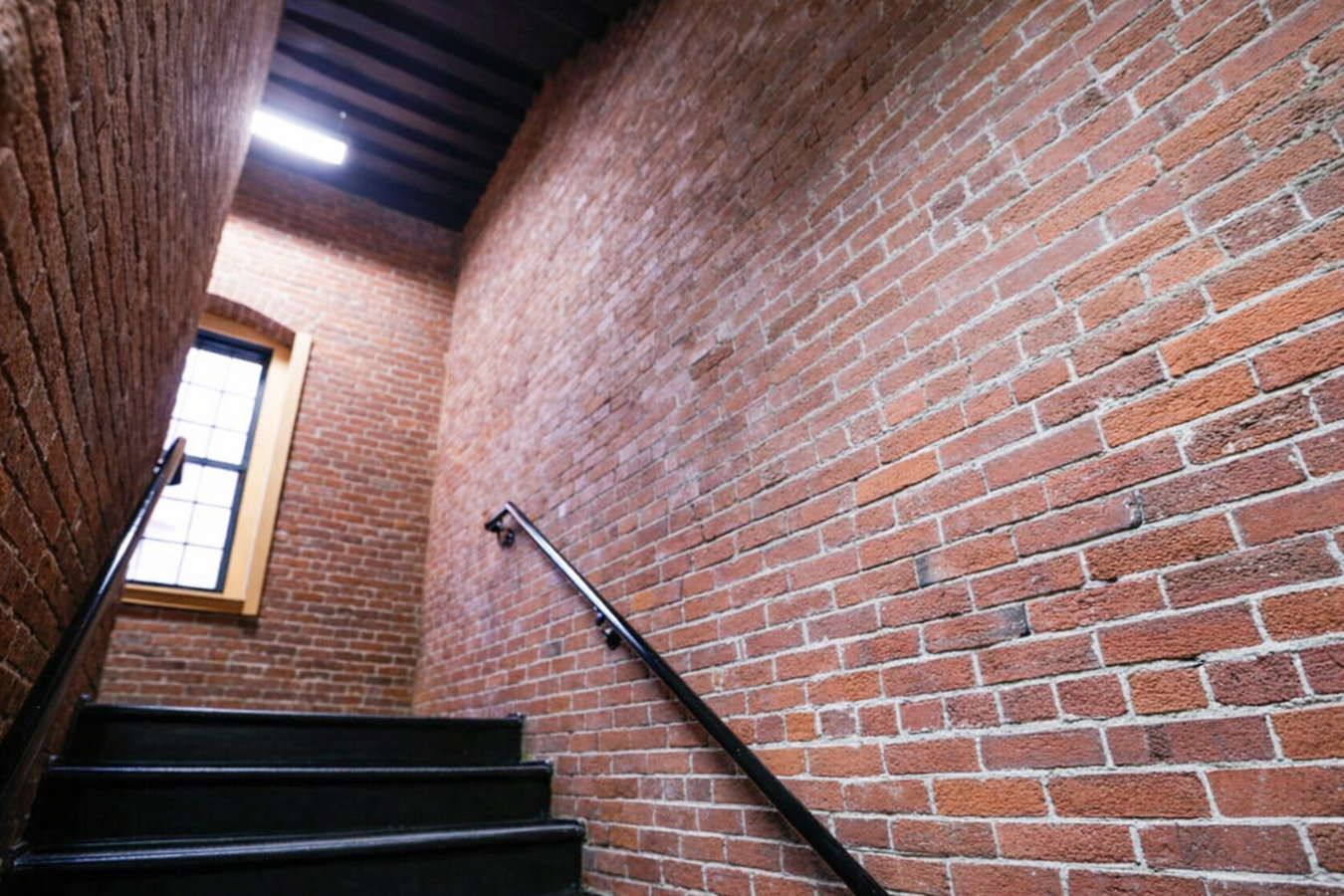
Crumbling mortar, diagonal cracks, and spalling brick are common on Walnut homes - we identify the cause and fix it the right way, before water or soil movement makes it worse.
Masonry restoration in Walnut means repairing brick, stone, or block surfaces that have been weakened by age, moisture, or soil movement - most jobs take one to five days depending on scope, and the goal is a stable structure that holds up through the next decade of Southern California weather cycles.
If you have noticed crumbling mortar, white staining on your brick, or diagonal cracks on a retaining wall or chimney, those are not cosmetic problems you can wait on. Walnut sits on expansive clay soils that shift with every wet and dry season, and masonry that is already compromised gets worse with each cycle. The longer a crack or failing mortar joint goes unaddressed, the more material needs to come out when the repair finally does happen.
Masonry restoration often goes hand in hand with fireplace installation or repair, since chimney crowns and mortar joints around the firebox are among the first areas to fail on homes built in the 1970s and 1980s. We assess both at the same visit so you have a complete picture before committing to any work.
Run your finger along the joints on your chimney, exterior wall, or retaining wall. If the mortar crumbles away or has gaps you can fit a finger into, it is no longer sealing out water. This is one of the most common signs of wear on Walnut homes built in the 1970s and 1980s, and it worsens quickly once it starts.
Cracks that travel diagonally across a block or brick wall often point to soil movement beneath the structure. Walnut's clay-heavy soils shift with the wet and dry seasons, and that movement shows up in the masonry above. A diagonal crack tends to widen over time and should not be left to monitor.
That chalky residue - called efflorescence - means water is moving through your masonry and leaving mineral deposits on the surface. It is a sign that moisture is getting in somewhere it should not be. In Walnut this typically appears after the first heavy rains of the season following a long dry summer.
When the face of a brick starts to flake off in thin layers or develop small pits, the brick itself is breaking down. This usually happens when water has been getting in and expanding inside the material over time. Once brick faces start to spall, the damage accelerates if left unaddressed.
Most masonry restoration work falls into a few categories depending on what has failed and how far the damage has progressed. For walls and chimneys where the brick itself is in good shape but the mortar has worn out, tuckpointing - grinding out the old material and packing in new mortar matched to the original - is usually the right starting point. If soil movement has caused cracking, we assess the extent of the shift before recommending a repair strategy, because patching over a moving wall without addressing the movement is a short-term fix at best. Where you have already noticed water getting through, we can also treat efflorescence and apply a clear water-repellent sealer after repairs are complete.
For homes with deteriorating chimneys, we look at the full system - the crown, the mortar joints, and the cap - not just the visible surface. If the firebox or chimney structure needs more extensive work, we can coordinate that alongside stone masonry or decorative finishing so everything is completed in one project. See the fireplace installation page if your existing fireplace needs a more complete rebuild or gas conversion.
Suited for walls and chimneys where the brick is intact but the mortar between has worn out.
Suited for diagonal or horizontal cracks caused by soil movement or water infiltration.
Suited for surfaces where the brick face itself has started to deteriorate.
Suited for walls showing moisture infiltration symptoms before the damage reaches the structure.
Suited for chimneys on older homes where the top section has deteriorated and allows water entry.
Walnut sits in the eastern San Gabriel Valley, where summer temperatures regularly exceed 95 degrees and the clay-heavy soils beneath most residential lots shift with every wet and dry season. That combination - extreme heat cycling on the surface and soil movement from below - puts masonry structures under stress that most homeowners do not notice until a crack is wide enough to put a finger in. The housing stock in Walnut skews heavily toward 1970s and 1980s construction, which means brick veneers, block retaining walls, and chimney systems from that era are now 30 to 50 years old. Many are reaching the point where mortar has failed and surfaces are showing real wear.
Homeowners in Diamond Bar, CA and Rowland Heights, CA face the same soil and housing stock conditions, and we work across all three communities regularly. Because Walnut is an unincorporated part of Los Angeles County, structural masonry repairs go through LA County permitting rather than a city office - and many neighborhoods in the area fall under HOA oversight that requires written approval before exterior work begins. We are familiar with both processes and handle the paperwork on your behalf so you are not navigating county permit systems on your own.
Learn more about masonry restoration best practices from the Brick Industry Association and the International Masonry Institute.
Call or fill out our contact form and we will respond within 1 business day. Let us know what you are seeing and where on the property it is located.
We inspect the affected areas in person, identify whether the work is cosmetic or structural, and provide a written estimate. We will also tell you whether a permit is required through Los Angeles County.
If your project requires a structural permit, we submit the application to LA County on your behalf. For homes in HOA communities, we can help you identify what documentation your association needs before work begins.
We remove old material carefully, match the mortar color and composition to what is already there, and finish the joints to match the original profile. Fresh mortar needs 24 to 72 hours to cure - we walk you through what to avoid during that window.
We will come out, assess the damage in person, and give you a written estimate - no obligation, no surprise charges.
(909) 546-5193Using mortar that is harder than your existing brick is one of the most common mistakes in masonry repair - it causes the brick itself to crack over time. We assess the existing material first and match the repair to what is already there, so the fix holds rather than creating a new problem.
Walnut falls under Los Angeles County's jurisdiction, and structural masonry work requires permits that some contractors quietly skip. We handle the permit application on your behalf and keep you informed - so you are never the one explaining unpermitted work to a future buyer.
The clay soils across the eastern San Gabriel Valley shift seasonally, and that movement is a primary driver of cracking in this area. We assess the underlying cause - not just the surface symptom - so repairs address what is actually happening rather than just covering it up.
We have worked in Walnut and the surrounding cities every year since we opened. We know the HOA processes in planned communities like Tres Encinos and South Pointe, and we know what LA County inspectors look for on structural masonry work.
The details that separate a lasting repair from one that fails within two years are the ones most homeowners cannot see - mortar composition, joint depth, curing time, and drainage behind the wall. We focus on those details on every job because skipping them is how a small repair becomes a large one.
Verify contractor licensing at the California Contractors State License Board.
Install or convert a fireplace with the same mortar-matching standards applied to your restored masonry.
Learn MoreNatural stone work that complements restored brick surfaces and holds up to San Gabriel Valley conditions.
Learn MoreRainy season is coming - get your repairs done and fully cured before the first storm hits. Call us or submit a request and we will respond within 1 business day.