
Loading...
Serving Walnut, CA and surrounding areas. (909) 546-5193
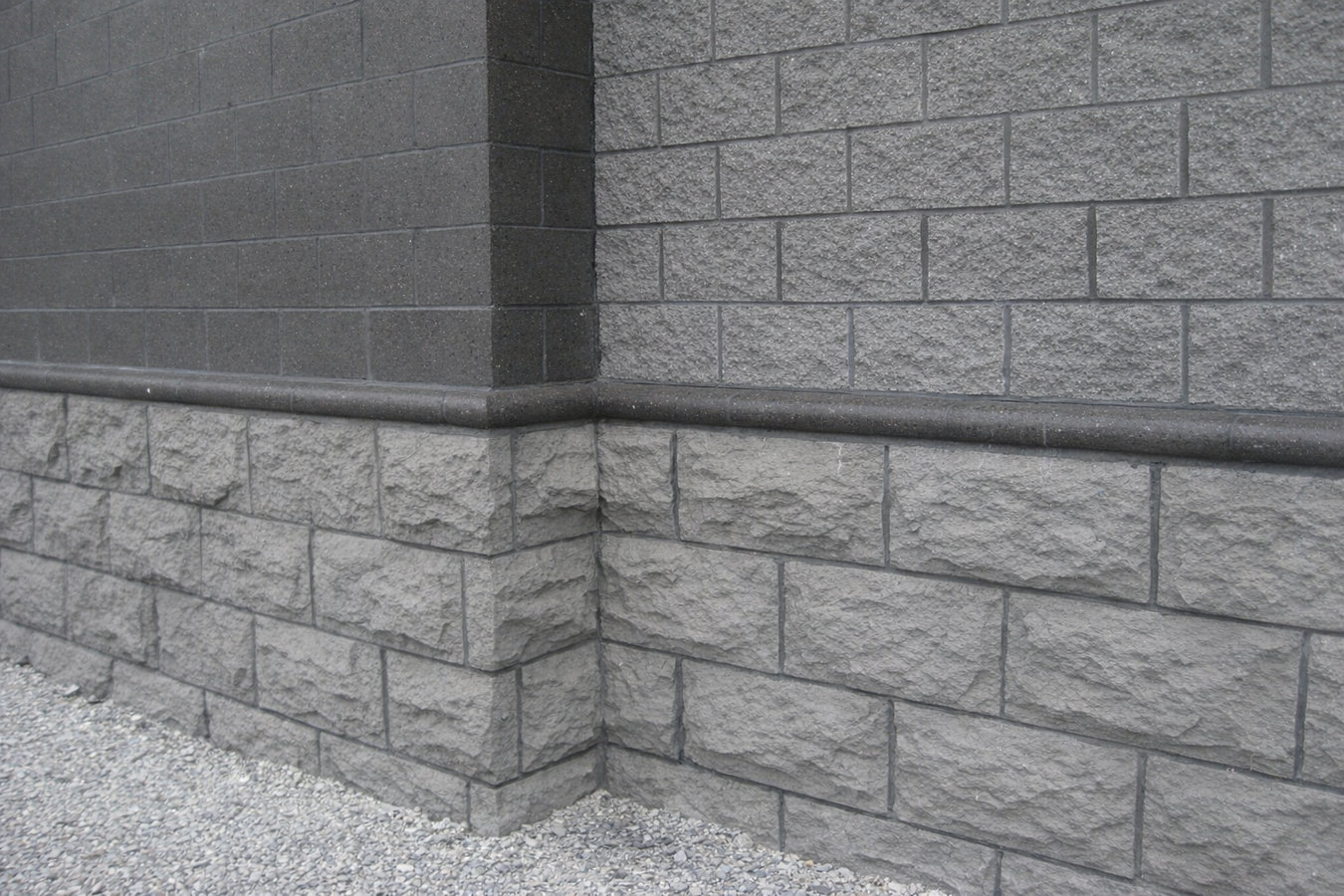
A leaning wall, eroding slope, or rotting wood fence is telling you something needs to change. Concrete block walls are the permanent fix - and in earthquake country, they need to be built the right way from the footing up.
Concrete block walls in Walnut are built from individual hollow or solid blocks stacked in overlapping rows and held with mortar, on top of a poured concrete footing set below grade. A simple residential garden wall or property-line wall typically takes one to three days to complete, though the full timeline is longer once permit applications and city inspection are included.
What separates a block wall that lasts 50 years from one that starts cracking in five comes down to three things: the footing depth, whether steel rebar runs through the block cores, and how drainage is handled behind any wall that retains soil. In Walnut's clay-heavy soil and high seismic zone, cutting corners on any of those three steps is not just poor craftsmanship - it is a safety issue. If you need a wall that holds back soil on a sloped lot, our retaining wall construction service addresses those projects specifically.
Block walls also work well as a permanent alternative to wood fences, which deteriorate in Southern California's summer heat and dry winds and end up costing more over time in repeated repairs. A block wall is heavier and more involved to install, but once it is in, it is in.
If a block wall on your property is no longer straight - it leans toward the street, toward your neighbor's yard, or away from a slope - that is a structural warning, not just cosmetic. Diagonal cracks across the face of blocks, or widening gaps in the mortar joints, often mean the footing has shifted. In Walnut's clay-heavy soil, this kind of movement is common and tends to worsen without intervention.
If you notice soil creeping down from a raised area of your yard after rain, or a hillside behind your home starting to erode, a concrete block retaining wall can stop that movement and protect your landscaping and patio. The San Gabriel Valley gets intense winter rain events that can move a surprising amount of soil in a short time. A properly built retaining wall with adequate drainage behind it is usually the most permanent solution.
Wood fences in Southern California take a beating from sun, dry winds, and occasional heavy rain. When repairing a fence no longer makes sense financially, replacing it with a block wall means you will not be back in the same situation in five or ten years. Block walls also reduce road noise from nearby traffic - a real benefit for homes near the SR-60 corridor on the south edge of Walnut.
If you are planning a raised planting bed, a new patio area, a pool surround, or terraced yard levels on a sloped lot, a concrete block wall gives you a defined border that holds its shape for decades. Many Walnut homeowners with hillside lots use them to create level outdoor living areas that would otherwise not be possible given the grade of the land.
We build freestanding property-line walls, garden and planter walls, pool surrounds, and retaining walls throughout Walnut. Every project includes a poured concrete footing and steel rebar reinforcement through the block cores, because those two elements are what determine long-term structural integrity in our seismic zone and clay soil conditions. For projects that involve holding back significant soil on a slope, our retaining wall construction service covers the engineering considerations and drainage requirements specific to those situations.
Homeowners who want the structural benefits of block combined with a more finished exterior appearance often choose to combine a block wall with our foundation block wall installation work, which addresses the base-level structural elements before adding surface treatments. We handle all permit applications with the City of Walnut and provide documentation for HOA architectural review where required.
Best for homeowners replacing a failing wood fence or establishing a permanent, low-maintenance boundary between their property and a neighbor's.
Suits homeowners creating raised planting beds, terraced yard levels, or defined outdoor living zones on a flat or sloped lot.
Right for hillside lots where soil needs to be held back from a patio, driveway, or lower yard area, with proper drainage built in from day one.
Ideal for homeowners with a leaning, cracked, or partially collapsed block wall that needs a structural assessment and professional repair rather than a full rebuild.
Walnut sits on clay-heavy soil that swells when wet and shrinks when dry, and that seasonal movement is one of the leading causes of cracked walls and shifted footings across the San Gabriel Valley. A contractor who does not size and depth footings for local soil conditions is building a problem that will show up within a few years. Add the seismic exposure from nearby fault systems including the Puente Hills Fault, and the case for doing the structural work correctly gets even clearer. We also serve homeowners across Pomona, CA and West Covina, CA where the same soil and seismic conditions apply, so we understand what these projects actually demand.
Many Walnut neighborhoods are governed by HOAs that have specific rules about wall height, materials, and color. Getting a permit through the City of Walnut's Building and Safety Division and clearing HOA architectural review before work begins are not optional steps - they protect you from fines, required demolition, and complications when you sell. Walnut's summers push mortar-curing conditions to the edge of what is manageable in the afternoon heat, so experienced local masons schedule mortar work early in the day during summer months and keep the wall misted - a small detail that directly affects the strength of the finished product.
We ask basic questions about the project - length, height, whether it involves holding back soil - and schedule a free site visit within a few days. We reply to all inquiries within one business day and give you a written estimate after seeing the actual site.
We handle the permit application with the City of Walnut's Building and Safety Division. If your home is in an HOA community, we provide the documentation needed for architectural review. Permit approval can take a few days to two weeks, so we start this process early.
We mark the wall line, dig the trench, and call for underground utility locating before breaking ground. The concrete footing is poured first and allowed to set before block laying begins - this is where the structural integrity of the whole wall is established.
Blocks are laid in overlapping rows with rebar and concrete filling the cores as we go. Once the wall reaches height, we finish the mortar joints and clean up all debris. If a city inspection is required, we coordinate that - you do not need to do anything to prepare.
Free on-site estimate, no obligation. We handle the permit application and reply within one business day so your project stays on schedule.
(909) 546-5193Every block wall we build includes steel rebar through the cores and concrete fill - not just on the tallest sections where code requires it. In Walnut's seismic zone and clay soil, this is the single most important structural decision we make on any wall project. It is what you cannot see in the finished wall but what determines how it holds up over time.
We handle every permit application with the City of Walnut from the start, which means your wall is on record and will not create complications when you sell your home or file an insurance claim. The California 811 Dig Alert utility locating call is part of our standard prep before any excavation begins.
We size and depth our footings for the expansive clay conditions common throughout Walnut and the broader San Gabriel Valley. A footing that works in sandy coastal soil will not perform the same way here. This is a local knowledge issue, and it shows up in how long the wall stays straight and plumb over years of seasonal soil movement.
We clean up debris and secure the work area at the end of each day, so your family and pets can move around your yard safely between sessions. All leftover materials and debris are hauled away by our crew when the job is done. We treat your property as we would want ours treated.
Taken together, these details mean you get a wall that is structurally sound, legally permitted, and built for the specific conditions of your Walnut property - not a generic block wall that might work fine somewhere else but was not designed for where it actually stands.
Structural block walls built at the foundation level to create stable bases for above-grade construction on Walnut properties.
Learn MoreEngineered retaining walls with proper drainage for Walnut hillside lots where soil pressure and slope require more than a freestanding wall can provide.
Learn MorePermit season fills up fast - call now or submit a request and we will get back to you within one business day with a written, itemized quote.